


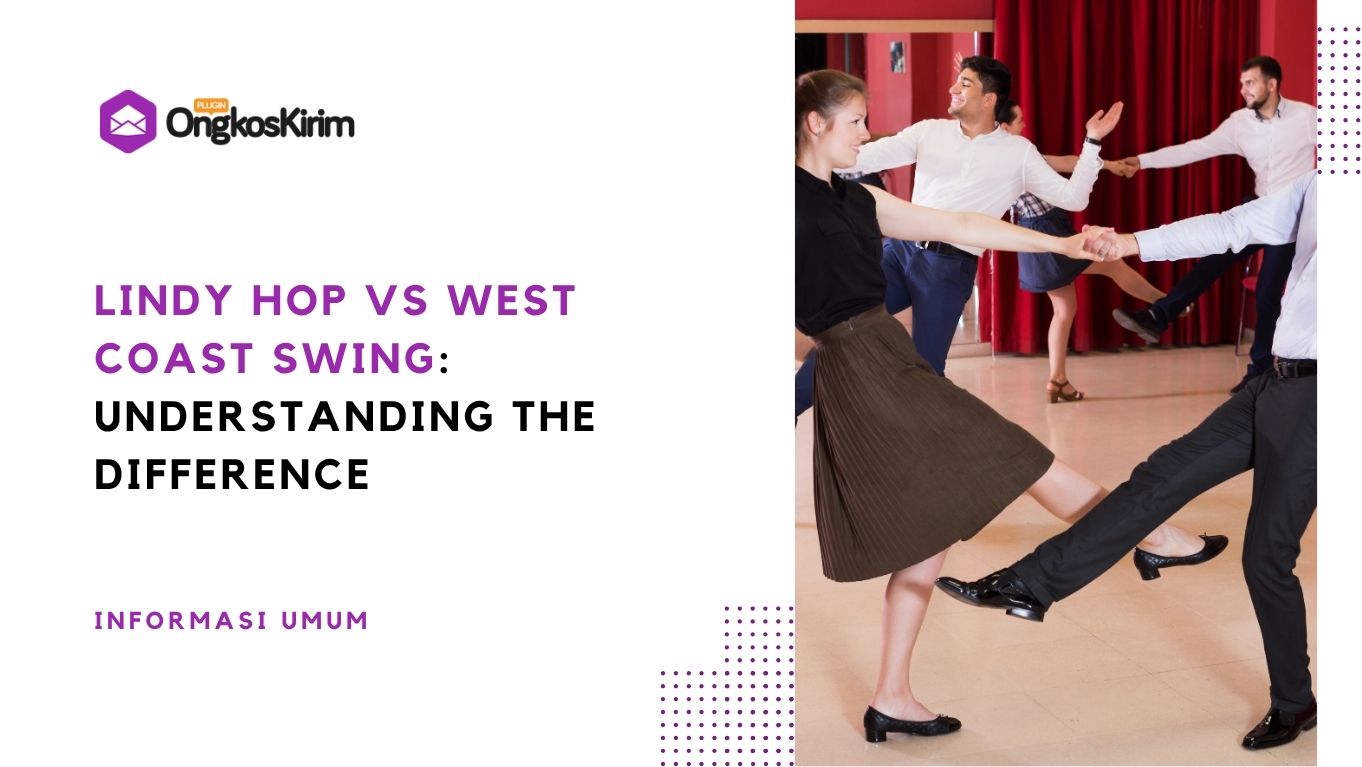
Swing dancing has a way of pulling people onto the floor the moment the music starts. If you’ve ever watched dancers glide, spin, and laugh together, chances are you’ve seen either Lindy Hop or West Coast Swing (WCS) in action.
Both styles come from the swing dance family, both are highly improvisational, and both can be learned through great swing dance lessons. But the experience of dancing them feels quite different.
The Origins of Lindy Hop
Lindy Hop began in Harlem, New York, around 1928 during the golden age of jazz. It grew out of African American dance traditions and flourished in legendary venues like the Savoy Ballroom. The dance evolved alongside big band swing music and quickly became one of the most energetic partner dances ever created.
When you take swing dance lessons focused on lindy hop, you’ll quickly notice its lively bounce and circular movement. Dancers often describe the feeling as playful and joyful. The rhythm of the music creates a natural “pulse†in the body that makes everything feel dynamic.
A defining movement in lindy hop is the swingout, where partners move away from each other and reconnect in a smooth circular flow. It’s an eight-count pattern that creates endless opportunities for improvisation.
Because Lindy Hop grew directly from jazz culture, it pairs beautifully with music from legends like Duke Ellington and Count Basie. When the brass section kicks in, Lindy dancers respond with kicks, spins, and expressive footwork.
The Evolution of West Coast Swing
West Coast Swing developed later, during the 1940s, on the West Coast of the United States. While it evolved from earlier swing dances, it took on a completely different personality over time.
West Coast Swing is also known for its smooth, elastic style. Instead of moving in circles, partners dance in a straight “slot.†One partner typically stays anchored at one end while the other travels up and down the line.
The basic moves in West Coast Swing include steps called the sugar push and the whip. These are common patterns dancers learn early and use often while dancing. These patterns can be done in six or eight counts and create a rhythmic push-and-pull feeling between partners.
One reason many people love WCS is its versatility with music. While Lindy Hop thrives on big band jazz, West Coast Swing works with a huge range of genres, from blues and pop to hip-hop and R&B. You might see dancers gliding to songs by John Mayer or Ed Sheeran just as easily as classic blues tracks.
This adaptability has helped West Coast Swing remain popular in modern dance clubs.
Key Differences on the Dance Floor
Although both dances belong to the swing family, the way they feel in the body is quite distinct.
- Movement style
Baca Juga
Lindy hop is bouncy and circular. Partners move around each other in arcs and loops, which makes the dance feel energetic and spontaneous.
West Coast Swing, on the other hand, is smooth and linear. The slot keeps movement contained and elegant, which works well in crowded dance environments.
- How Partners Connect
In lindy hop, the connection between partners often feels relaxed and timed to the rhythm’s pulse. The bounce in the music influences how dancers communicate movement.
In West Coast Swing, the connection feels more elastic and continuous. Partners maintain tension that stretches and releases, creating a smooth push-and-pull dynamic.
- Music for Each Dance Style
Lindy hop thrives with traditional swing and big band jazz. The faster tempos and strong rhythms encourage playful footwork.
West Coast Swing adapts to a much wider range of modern music styles, which is why it frequently appears at social dance clubs.
Improvisation: The Heart of Swing
One thing both dances share is improvisation. Neither Lindy Hop nor West Coast Swing is about memorising rigid choreography.
Instead, dancers build a vocabulary of moves and then mix them freely depending on the music and their partner’s ideas. In a good swing dance scene, every song becomes a conversation.
This is why swing dance lessons usually focus on connection, timing, and musicality rather than just memorising patterns. Once you understand the fundamentals, creativity naturally follows.
Which Style Should You Learn?
Choosing between Lindy Hop and West Coast Swing often depends on what kind of experience you want.
If you love vintage jazz, high energy, and a joyful social atmosphere, lindy hop might be perfect for you. Its lively bounce and circular flow make it feel like pure celebration.
If you prefer smooth movement and dancing to modern music, West Coast Swing could be a better fit. Its slotted style and musical flexibility allow it to blend easily into club settings.
Many dancers mostly learn both. The skills from swing dance lessons transfer between styles, and understanding multiple forms of swing makes you a more versatile dancer.