


Environmental risks rarely happen at a convenient time. A chemical spill, unknown residues, contaminated debris, or legacy hazards like asbestos can quickly become a serious safety and compliance issue. In situations like these, many businesses rely on experienced specialists such as HCI Environmental, known for 24/7 emergency chemical spill response, hazardous waste transportation and disposal, site decontamination, soil remediation, asbestos, mold, and lead abatement, demolition, and industrial cleaning. These services help organizations stay safe, meet regulatory requirements, and operate responsibly. For a broader view of how these services connect with regulated projects and jobsite controls, this guide to environmental construction is a useful starting point.
- What Are Environmental Management and Hazardous Waste Services?
- Why These Services Matter in High-Risk Situations
- Core Services Included in Environmental and Hazardous Waste Work
- Specialized Example: Lead Control for Shooting Facilities
- How Environmental Contractors Help Maintain Compliance
- Final Thoughts
What Are Environmental Management and Hazardous Waste Services?
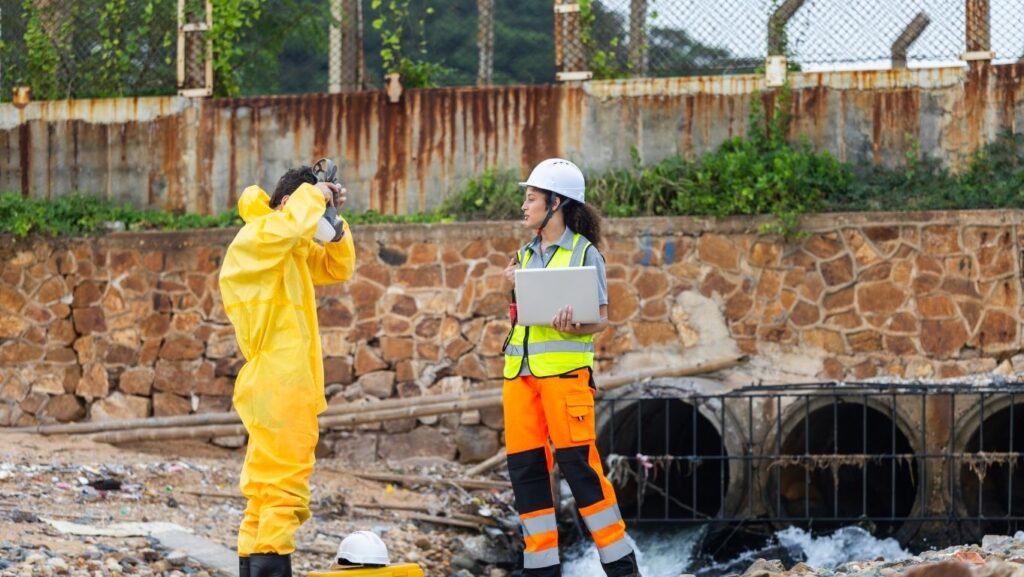
Environmental management is a structured way to identify environmental hazards, control exposure pathways, and prevent releases that could harm people or ecosystems. For many organizations in industrial, construction, manufacturing, logistics, and property operations, environmental management overlaps directly with hazardous waste handling.
Hazardous waste services typically cover the full lifecycle of regulated waste, including:
- Waste identification and characterization
- Safe packaging, labeling, and containment
- Transportation under applicable regulations
- Treatment and disposal through authorized facilities
- Documentation for audits, inspections, and compliance reporting
Why These Services Matter in High-Risk Situations

In high-risk environments, it is easy to underestimate how quickly a small incident can become a major problem. Treating a spill as simple cleanup can lead to wider contamination, higher exposure risk, and regulatory consequences that last long after the visible mess is gone.
Poorly managed environmental incidents can result in:
- Worker exposure and health risks
- Equipment damage and temporary facility shutdowns
- Contamination of drains, soil, or nearby areas
- Regulatory violations, fines, and legal claims
- Long-term environmental liability and reputational harm
Core Services Included in Environmental and Hazardous Waste Work
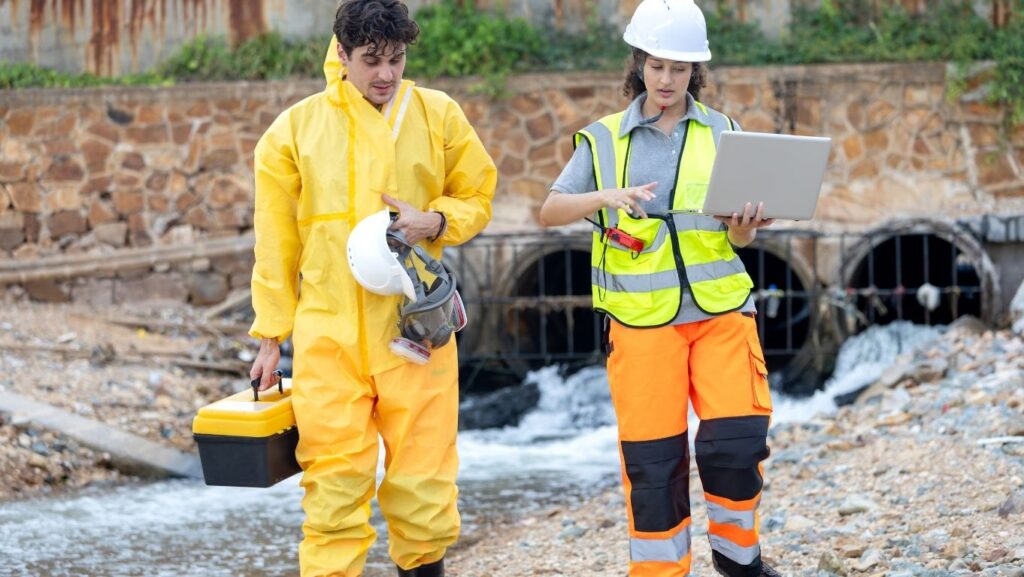
1. 24/7 Emergency Chemical Spill Response
Spills can happen after hours, during transfers, at loading docks, or inside production areas. Quick response helps contain the release, protect employees, and reduce the chance that contaminants spread into drains or soil.
A professional spill response typically includes:
- Initial hazard assessment and site stabilization
- Containment and control of the release
- Cleanup coordination and safe waste handling
- Practical support aligned with safety and compliance expectations
2. Hazardous Waste Transportation and Disposal
Hazardous waste handling is not just about moving material from one place to another. It requires correct classification, compliant containers, proper labeling, secure handling, and documentation that tracks waste from pickup to final disposal.
Professional hazardous waste transportation and disposal helps businesses reduce risk during transport while also meeting regulated handling requirements.
Baca Juga
3. Site Decontamination and Industrial Cleaning
After a spill, an exposure event, or a shutdown, decontamination may be needed to restore safe working conditions. This can involve removing residues, neutralizing chemicals, and cleaning impacted areas while correctly managing contaminated debris.
In high-risk environments, industrial cleaning is about hazard control and worker safety, not simply making the site look clean.
4. Soil Remediation
When contamination reaches soil, the response becomes more complex. Soil remediation may be needed for petroleum products, solvents, heavy metals, or other regulated substances.
Depending on the site and the requirements, remediation may include excavation and disposal, stabilization, or other engineered methods, followed by verification and documentation.
5. Asbestos, Mold, and Lead Abatement
Older buildings, damaged structures, or certain facility types can contain regulated materials that become dangerous when disturbed. Renovation, water intrusion, and demolition can release fibers or dust without proper controls.
Professional abatement helps identify hazards, isolate affected areas, and remove or treat materials safely while protecting workers and occupants.
6. Demolition in Sensitive or Contaminated Environments
Demolition is higher risk when contamination or regulated materials are involved. Environmental-focused demolition requires careful planning, sequencing, containment controls, waste segregation, and compliant disposal to prevent uncontrolled releases.
Specialized Example: Lead Control for Shooting Facilities

Some sites have unique contamination profiles. Gun ranges, for example, require careful management of lead dust, residue, and exposure pathways. Without consistent cleaning and maintenance, risks can increase for staff and visitors, and compliance issues can follow.
For shooting facility operators, professional gun range maintenance supports safer conditions by addressing hazardous residues through controlled and repeatable methods.
How Environmental Contractors Help Maintain Compliance

In environmental work, compliance is not only paperwork. It is proof that hazards were handled responsibly and that waste was managed properly. A qualified environmental contractor can help businesses:
- Reduce exposure risks to workers and the public
- Prevent contamination from spreading beyond the incident area
- Manage hazardous waste responsibly from identification through final disposal
- Maintain documentation for inspections, reporting, and audits
- Limit downtime while meeting safety expectations
Final Thoughts
Environmental management and hazardous waste services protect people, operations, and the environment, especially when the situation is urgent or high-risk. From 24/7 spill response and hazardous waste transportation and disposal, to decontamination, soil remediation, abatement, demolition, and industrial cleaning, experienced providers like HCI Environmental help businesses respond quickly, work safely, and stay compliant.