


Standard freight services are built around predictable cargo units, fixed schedules and established carrier networks, and that works well for parcels, pallets, containers and most general cargo. Bulk commodities don’t fit that mold. Grain, fertilizers, minerals, coal, construction materials and other dry bulk cargoes are usually shipped in volumes large enough to require dry bulk cargo chartering rather than a standard liner or courier-based freight solution, and for cargo owners, that shift changes almost every part of how the transport process actually works.
- Why bulk cargo needs a different approach
- Cargo quantity determines vessel size
- Stowage factor can change vessel selection
- Port restrictions affect the entire freight calculation
- Timing and laycan matter
- Freight indication is not the same as a firm offer
- The broker's role in bulk shipping
- From freight requirement to vessel solution
Why bulk cargo needs a different approach

Bulk cargo is typically carried loose in the vessel’s holds rather than packed into containers or individual units, which means the right transport solution depends on a lot more than just origin and destination. It also comes down to:
- total cargo quantity;
- stowage factor;
- loading and discharge rates;
- port draft restrictions;
- vessel deadweight;
- hold capacity;
- cargo readiness dates;
- vessel position.
A freight quote genuinely can’t be evaluated without weighing all of these together.
Cargo quantity determines vessel size
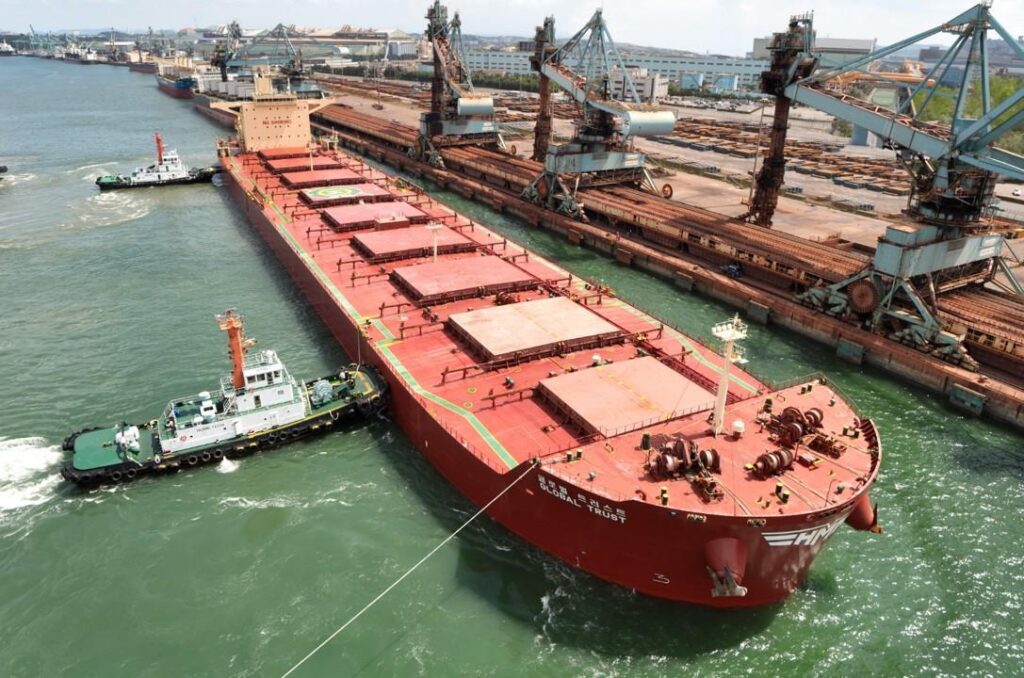
One of the first questions in any bulk shipment is simply how big the cargo lot is. A shipment of 5,000–7,000 metric tons taps into a completely different vessel market than one of 20,000–30,000 metric tons, and while larger vessels often quote a lower freight rate per ton, that doesn’t automatically make them the more economical choice. Bigger ships can run into draft restrictions, higher port costs, longer waiting times, reduced cargo intake and limited berth availability, all of which chip away at the apparent savings. The cheapest rate per ton, in other words, doesn’t always add up to the lowest total transportation cost.
Stowage factor can change vessel selection
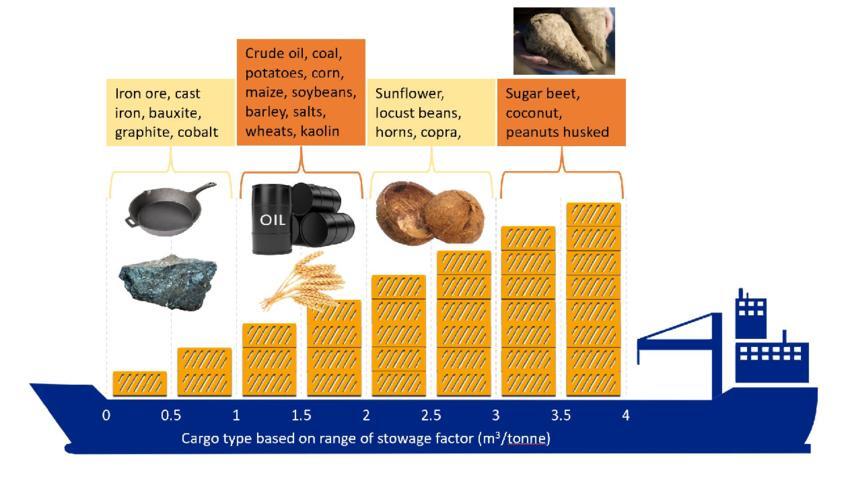
Deadweight alone doesn’t tell you whether a vessel can actually carry a specific bulk cargo. Different commodities take up very different amounts of space, so two cargoes with identical total weight can need very different hold capacities, and that’s exactly why stowage factor matters so much in vessel selection. A ship can look fine on paper, with plenty of deadweight to spare, and still fall short in practice, simply because the cargo fills the hold before the vessel ever reaches its weight limit.
Port restrictions affect the entire freight calculation
Baca Juga
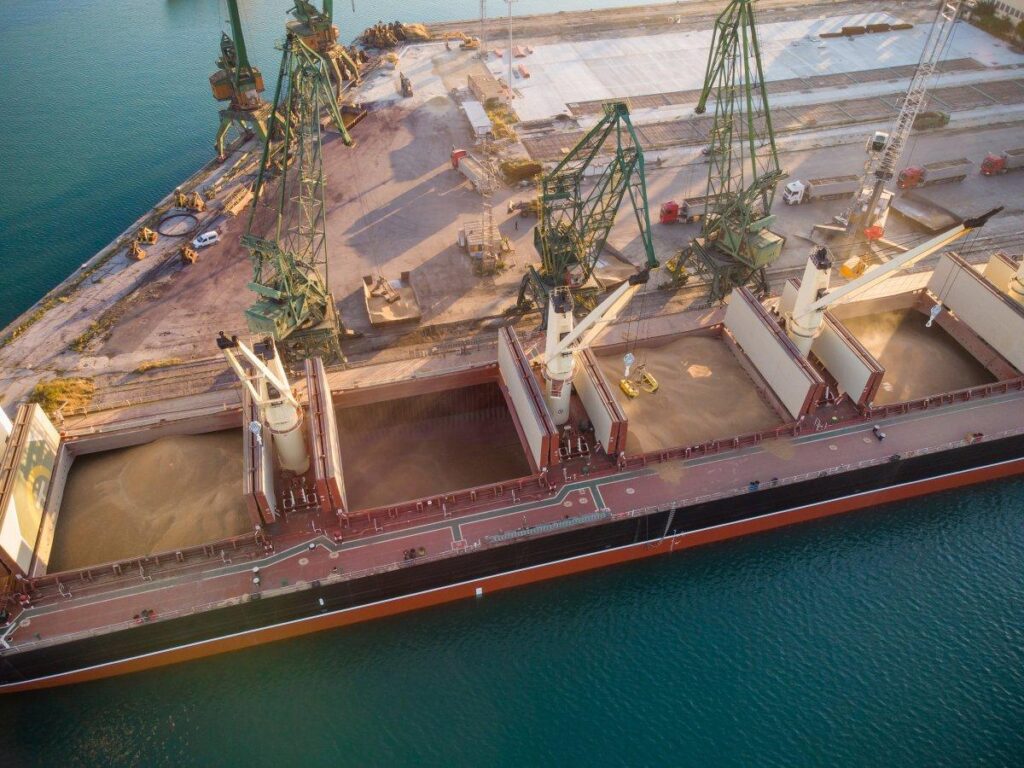
Loading and discharge ports can narrow down which vessels are even suitable for a fixture. Before committing, cargo owners should check :
- Maximum draft,
- Berth restrictions,
- Terminal productivity,
- Loading and discharge equipment,
- Port congestion and
- Permitted vessel dimensions,
Since any one of these can shrink the pool of available vessels and push the freight level up or down. Sometimes a smaller vessel at a higher nominal rate turns out to be the better commercial choice, simply because a larger one can’t operate efficiently at the selected ports.
Timing and laycan matter
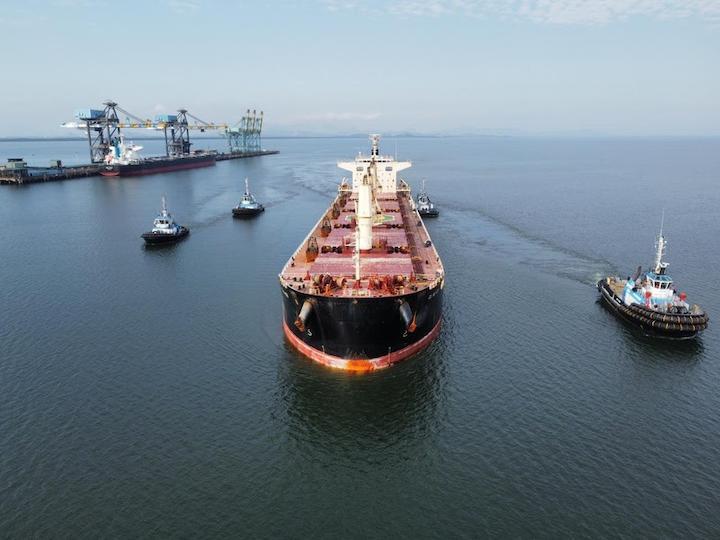
Timing is just as critical as vessel size or stowage. The cargo needs to be ready within the agreed period, and the vessel has to arrive within the negotiated laycan, so a ship that looks attractive purely on freight rate can turn out to be a poor fit if its previous voyage puts it at real risk of arriving late. Before fixing, it’s worth looking closely at the vessel’s current position, its previous commitments, a realistic ETA, the sailing distance involved and how exposed the route is to port congestion.
Freight indication is not the same as a firm offer

Early in the process, cargo owners will often ask for a freight indication just to get a sense of the market level, and that’s useful for planning purposes, but it shouldn’t be mistaken for a firm freight offer. A firm offer is tied to a specific vessel, its actual position, a defined laycan, the cargo quantity, loading and discharge terms and charter-party conditions, all of which can shift fast enough that an indication from even a few days earlier may no longer reflect what’s actually achievable.
The broker’s role in bulk shipping

Professional shipbroking is about a lot more than collecting freight quotes. A good broker needs to understand the cargo itself, identify suitable tonnage, compare vessel positions, weigh up port limitations and negotiate both freight and charter-party terms, often all at once.
Kiev Shipping Ltd has been active in ship chartering and maritime brokerage since 2000 and provides dry bulk cargo chartering services for grain, fertilizers, minerals and other bulk commodities, working with cargo owners and shipowners across the Black Sea, Mediterranean, Baltic, Red Sea and Persian Gulf markets.
From freight requirement to vessel solution
Standard freight networks are built for standardized shipments, but bulk cargo needs a different model altogether, one where the vessel itself becomes a central part of the logistics solution rather than just a delivery mechanism. The most efficient outcome comes down to matching three elements before the fixture is concluded: the cargo, the vessel and the ports. Get those three aligned, and cargo owners end up with more realistic freight levels, lower operational risk and far fewer costly surprises once the voyage is underway.